


PVC Plastic Formwork Advantages and Disadvantages in Modern Building Projects
Classification:
Company News
Time:
Jun 28,2026
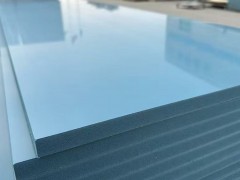
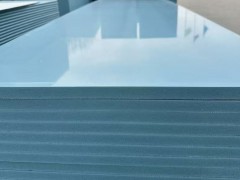
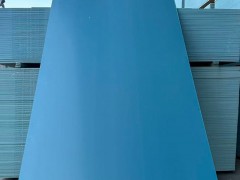
PVC plastic formwork is a modern construction material used for concrete shaping and structural molding in building projects. It is widely used as an alternative to traditional plywood wood and steel formwork systems. As construction demand increases globally, many contractors are turning to PVC plastic formwork for its performance benefits, although it also has certain limitations that should be considered.
Advantages of PVC Plastic Formwork
One of the main advantages of PVC plastic formwork is its durability. The material is resistant to water absorption, which helps prevent swelling, cracking, or deformation during use. This makes it suitable for construction environments with high humidity or frequent exposure to water.
Another important benefit is its reusability. PVC plastic formwork can be used multiple times compared to traditional wood-based formwork, which significantly reduces material costs over time. This is especially valuable in large scale or repetitive construction projects.
The material is also lightweight, making it easier to transport, handle, and install on construction sites. This helps reduce labor intensity and improves overall construction efficiency. Workers can assemble and dismantle the formwork quickly, which shortens project timelines.
PVC plastic formwork also provides a smooth concrete surface after removal. This reduces or even eliminates the need for additional plastering work, saving both time and finishing costs.
In addition, it is resistant to corrosion and chemical reactions, allowing it to maintain stable performance in various environmental conditions. Its long service life also supports more sustainable construction practices by reducing waste.
Disadvantages of PVC Plastic Formwork
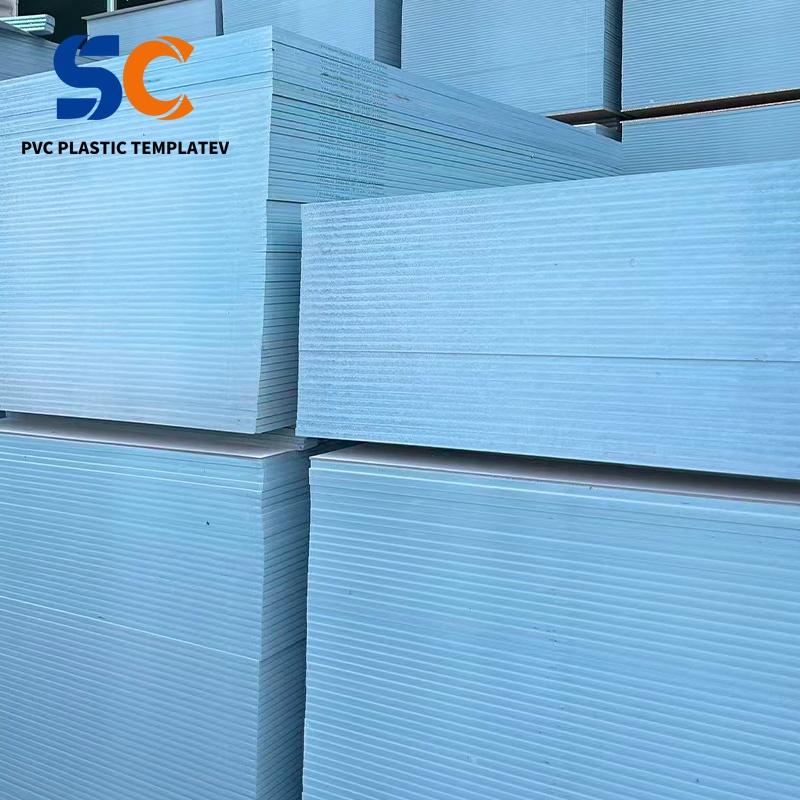
Despite its advantages, PVC plastic formwork also has some limitations. One of the main disadvantages is its higher initial cost compared to traditional wood formwork. Although it saves money in the long term through reuse, the upfront investment can be a challenge for small contractors or short term projects.
Another limitation is its sensitivity to extreme temperature conditions. In very high or very low temperatures, the material may experience changes in performance, which can affect durability if not properly managed.
PVC plastic formwork also requires proper handling and storage. If it is not stored correctly or is subjected to excessive impact, it may crack or lose its structural integrity over time.
In some complex construction projects, customization flexibility may be lower compared to traditional wood formwork, which can be easily cut and adjusted on site.
Application in Modern Building Projects
PVC plastic formwork is widely used in residential housing, commercial buildings, and infrastructure construction. It is especially suitable for projects that require repeated structural designs and high efficiency in formwork reuse. Contractors prefer it for its balance between performance and long term cost efficiency.
Conclusion
PVC plastic formwork offers significant advantages in durability, reusability, and construction efficiency, making it a strong alternative to traditional formwork systems. However, its higher initial cost and handling requirements mean it is not suitable for every project. In modern building construction, it is best used where long term efficiency and repeated use are key priorities.
Related News



Contact us

Room 2606, IEC International Enterprise Center, Liucang Sub-district Office, Lanshan District, Linyi City, Shandong Province


(c)2008-2099 All Rights Reserved