

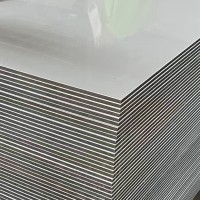
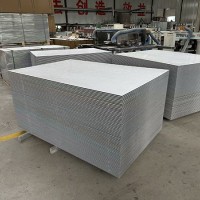
- Products Detail
-
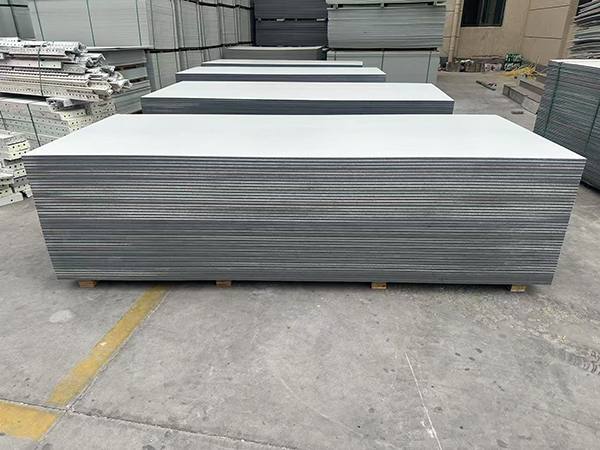
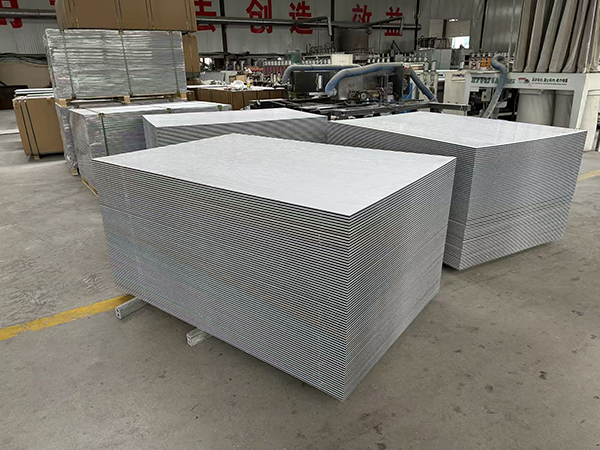
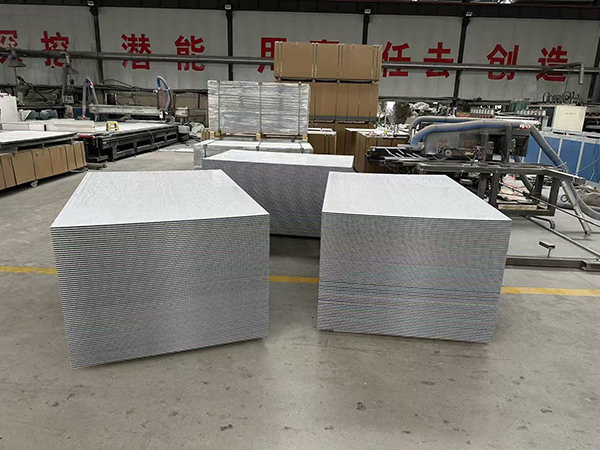
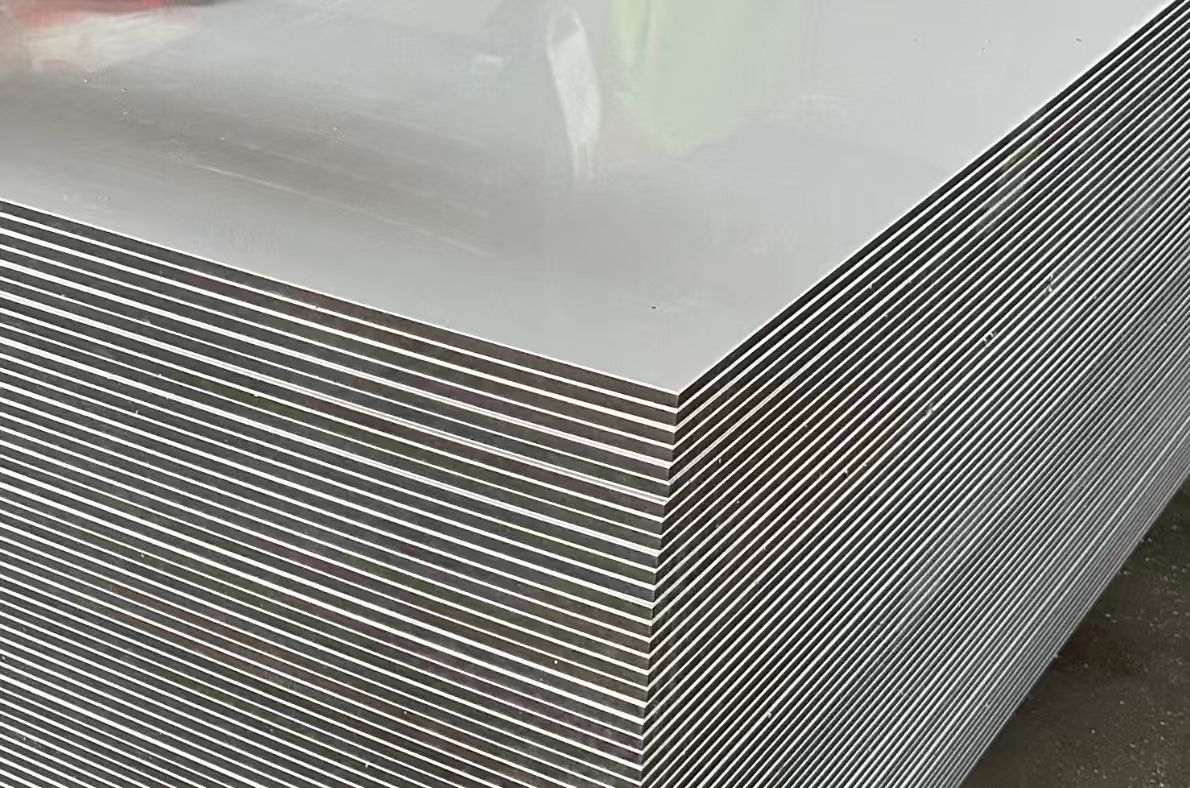
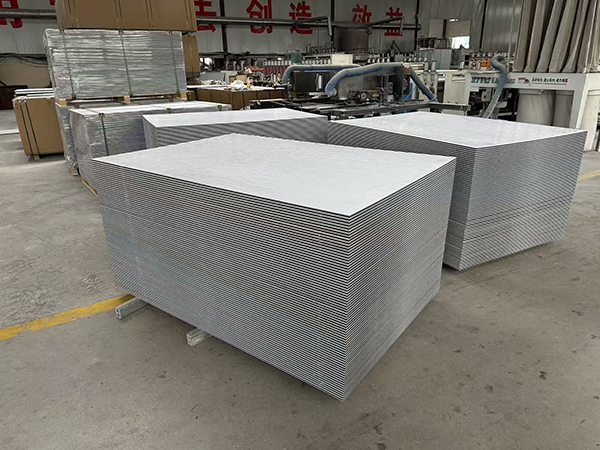
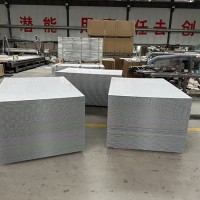
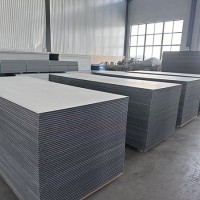
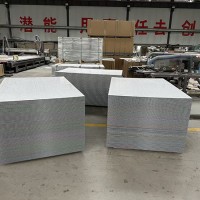
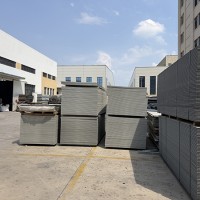
Hollow plastic formwork has become a mainstream shuttering solution for modern concrete construction due to its lightweight design, high reusability, and superior finishing effect. While the installation of hollow plastic formwork is far simpler and more flexible than traditional steel and plywood formwork, standardized operation is essential to avoid slurry leakage, panel displacement, and uneven concrete molding. This detailed guide explains how to install hollow plastic formwork correctly, helping construction teams complete fast, safe, and high-quality concrete pouring for walls, slabs, columns, and beams.
1. Pre-Construction Preparation & Site Inspection Before installing hollow plastic formwork, complete thorough site preparation and material checking to ensure smooth construction. First, clean the construction base, remove floating dust, debris, and residual concrete to keep the ground flat and tidy. Inspect all hollow plastic formwork panels for cracks, deformation, surface damage or dirt adhesion. Qualified panels must maintain flat surfaces and complete interlocking edges to ensure tight splicing. Meanwhile, prepare matching accessories including supporting steel pipes, adjustable braces, connecting buckles, and sealing tapes. Confirm the construction drawing dimensions and mark accurate positioning lines on the wall and floor base to guide formal installation.
2. On-Site Cutting and Size Customization One of the biggest features of hollow plastic formwork is flexible on-site cutting, which adapts to various structural sizes. According to the measured construction size, use professional electric saws to cut the standard formwork panels. During cutting, keep the operating speed stable to avoid rough or broken edges. After cutting, trim the panel edges and remove burrs to ensure tight splicing between panels. Unlike wooden formwork that is prone to cracking after cutting, modified PP hollow plastic panels will not deform or absorb water, and the cut panels can still be reused normally after trimming.
3. Panel Splicing and Assembly Start formal assembly according to the positioning lines. Place the processed hollow plastic formwork panels in order and adopt a flat splicing method for overall alignment. Align the interlocking joints of adjacent panels tightly to eliminate gaps. For tiny seams between panels, paste special sealing tapes to effectively prevent concrete slurry leakage during pouring. During splicing, keep the panel surfaces flat and vertical without dislocation or uneven height. For wall and column formwork, assemble the panels layer by layer from bottom to top; for floor slab formwork, lay panels from one side to the other to ensure overall flatness.
4. Reinforcement and Support Installation Firm support and reinforcement are key to preventing formwork bulging and displacement. After panel assembly is completed, install vertical and horizontal steel pipe keels outside the hollow plastic formwork at standard intervals. Match adjustable wall braces and diagonal supports to fix the overall formwork system. For high walls and large-area slabs, increase the density of supporting frames appropriately to resist the lateral pressure of wet concrete. All supporting parts must be kept vertical and firm with uniform stress points, avoiding local deformation caused by uneven pressure. This step ensures the formwork remains stable throughout the concrete pouring process.
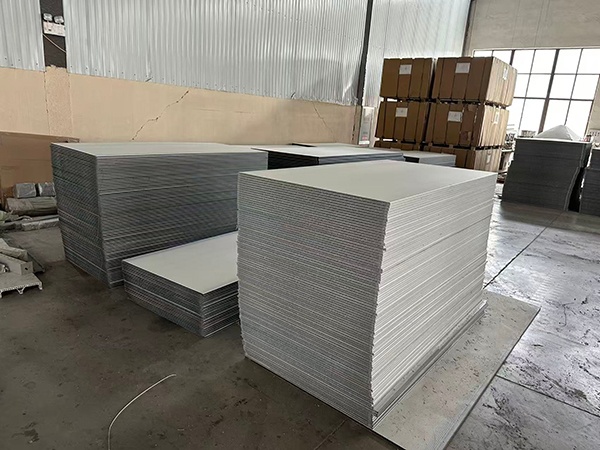
5. Verticality and Flatness Calibration After the overall installation and reinforcement are completed, conduct comprehensive calibration and inspection. Use a level and vertical detector to check the flatness and verticality of the hollow plastic formwork. Adjust the adjustable supports in time to correct slight deviations, ensuring all formwork surfaces meet engineering precision standards. Check all splicing gaps, connection buckles and supporting points again to eliminate hidden dangers of looseness and gaps. Only after passing the full inspection can the concrete pouring process be carried out.
6. Concrete Pouring and Vibration Control Although this step belongs to pouring operation, it directly affects the service life of hollow plastic formwork. During concrete pouring, adopt layered and uniform pouring to avoid one-time excessive concrete accumulation, which may cause local overload and formwork deformation. Use a vibrating rod for uniform vibration to discharge internal air bubbles and prevent hollowing. Avoid violent impact and long-term direct collision with the plastic formwork during vibration, so as to protect the panel structure and ensure stable molding quality.
7. Standard Demolding and Post-Use Maintenance Hollow plastic formwork features fast demolding performance. After the concrete reaches the specified curing strength, remove the supports and keels first, then disassemble the formwork panels gently in the reverse order of installation. Due to the non-stick surface of plastic formwork, demolding can be completed without prying or hammering, effectively protecting both the concrete surface and the formwork panels. After demolding, simply clean the concrete residue on the panel surface with water, then stack the panels flat in a dry and ventilated place for repeated use in the next project.
Key Installation Notes for Hollow Plastic Formwork First, avoid sharp object scratching during construction to protect the smooth panel surface. Second, do not expose the formwork to open fire for a long time, so as not to damage the PP material performance. Third, keep the supports evenly stressed to avoid local bulging caused by partial overload. Fourth, clean and stack the panels in time after use to maximize reuse times.
Conclusion The installation process of hollow plastic formwork is simple, efficient and labor-saving compared with traditional formwork. By following this standardized hollow plastic formwork installation procedure, construction teams can effectively improve assembly efficiency, guarantee precise concrete molding quality, and extend the service life of reusable plastic formwork. Standard installation and scientific maintenance are essential to maximize the cost-performance advantages of hollow plastic formwork in all kinds of concrete construction projects.
-
-
Product Consultation
If you are interested in our products, please leave your email and we will contact you as soon as possible. Thank you!



Contact us

Room 2606, IEC International Enterprise Center, Liucang Sub-district Office, Lanshan District, Linyi City, Shandong Province


(c)2008-2099 All Rights Reserved