

- Products Detail
-
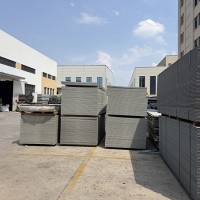
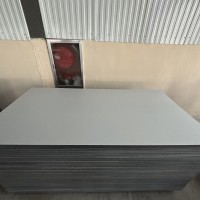
Plywood formwork has long been the most widely used shuttering material in global concrete construction due to its low initial cost and easy accessibility. However, with the upgrading of green construction standards and stricter project cost control requirements, modern reusable building materials are gradually replacing traditional wood-based shuttering. When comparing plastic formwork vs plywood formwork, professional contractors and project owners can clearly identify the fundamental differences in service life, construction efficiency, finished quality, and long-term economic benefits, helping them select the most suitable formwork for residential, commercial, and municipal projects.
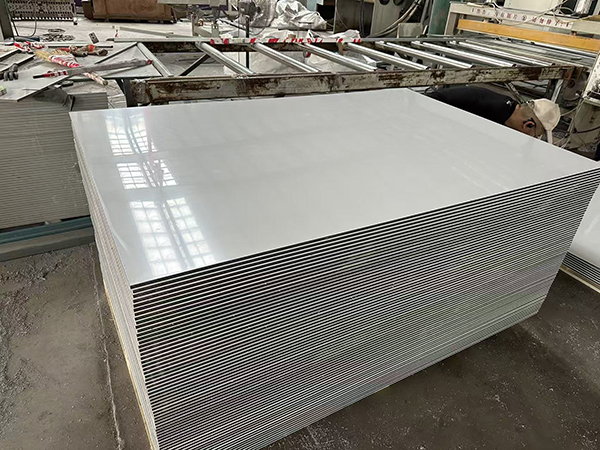
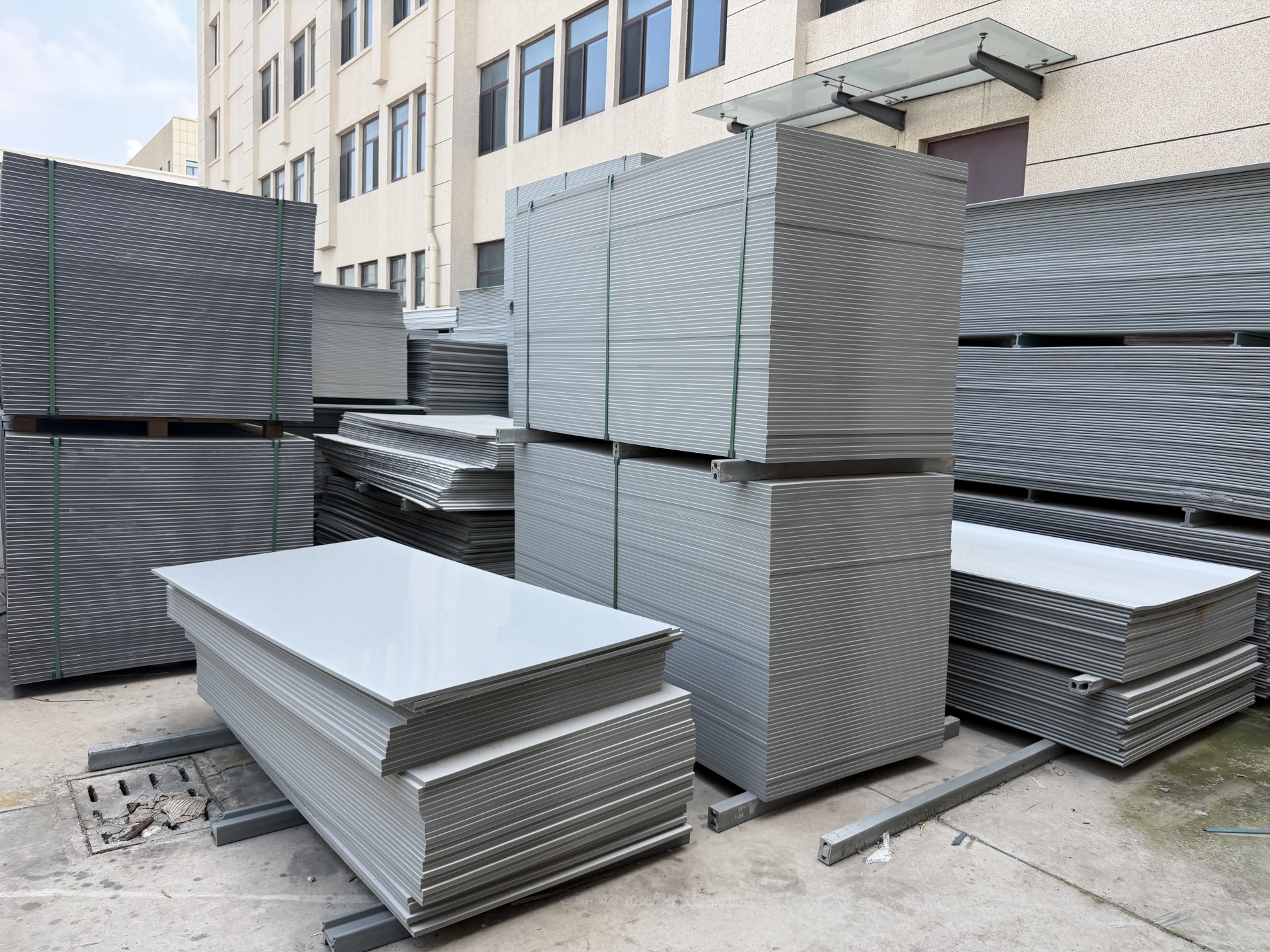
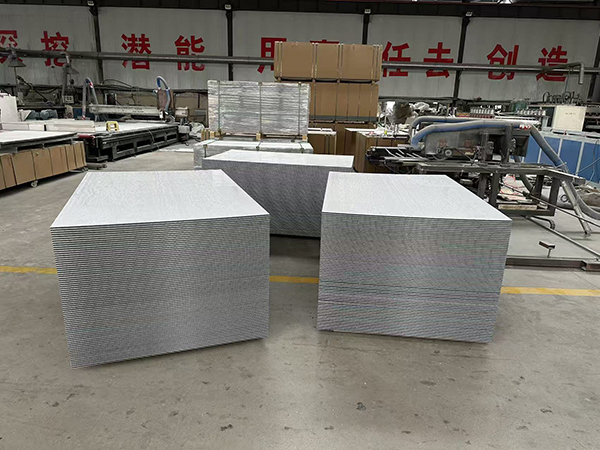
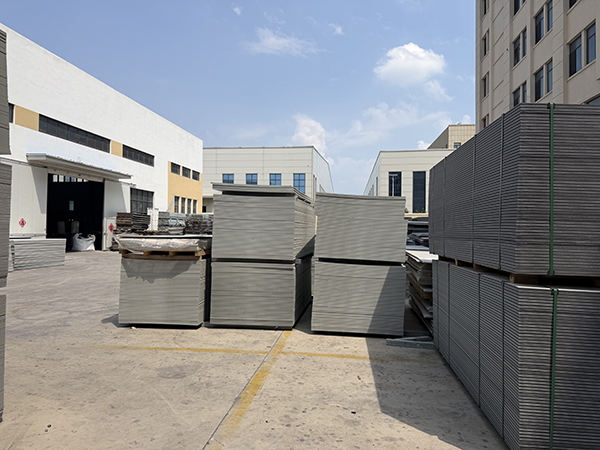
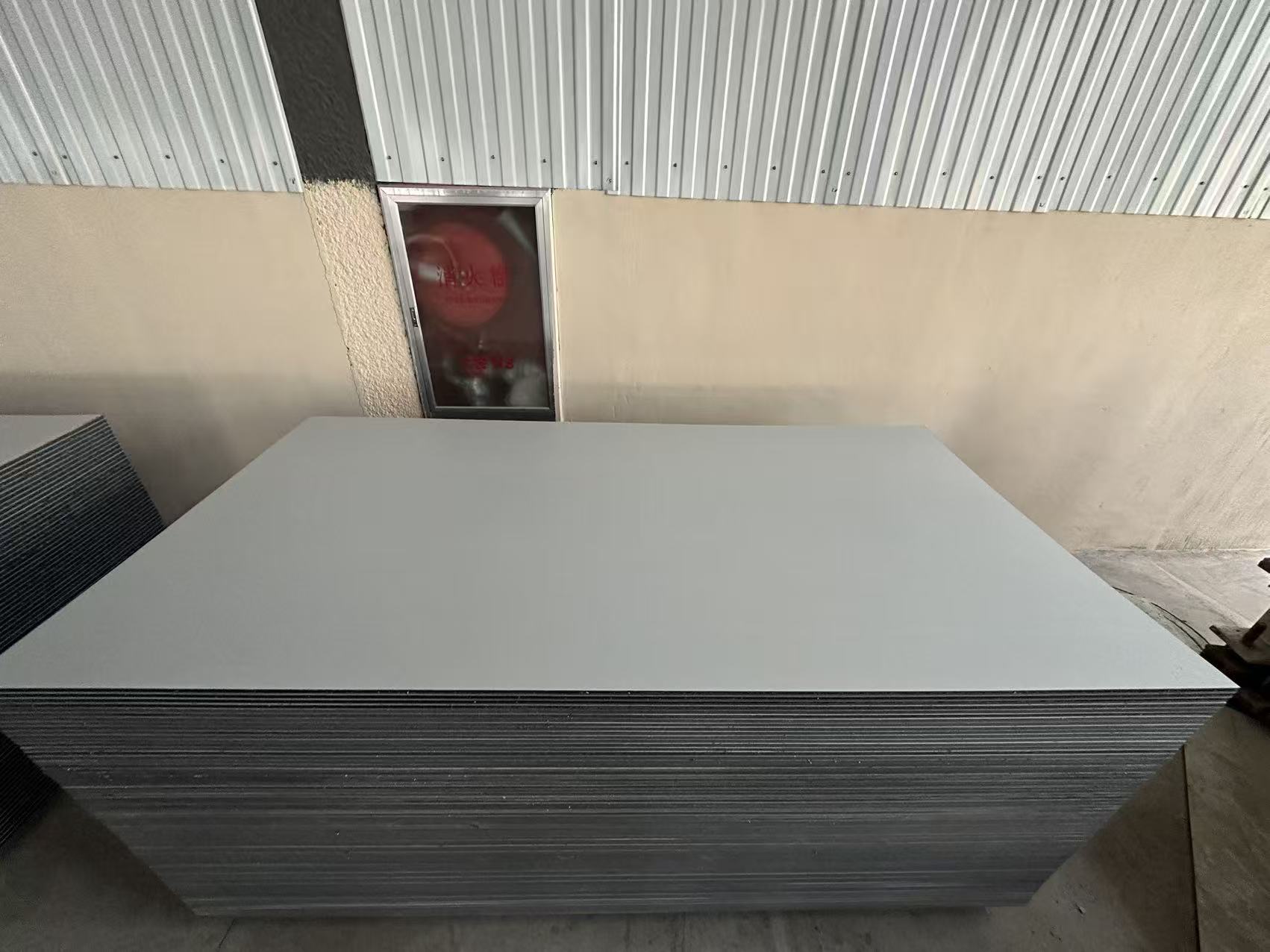
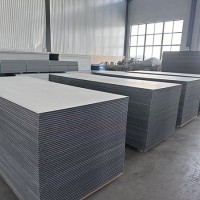
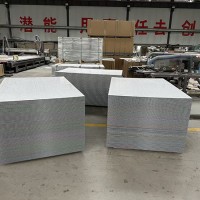
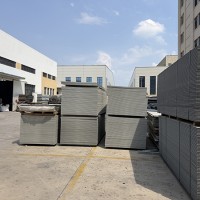
The most obvious gap between plastic formwork and plywood formwork lies in reusability and material loss rate. Traditional plywood formwork is a disposable or low-cycle material. Ordinary construction plywood can only be reused 3 to 5 times at most. After repeated concrete pouring, the wood surface will peel, delaminate, absorb water and deform, forcing construction teams to replace large quantities of plywood on a regular basis. In contrast, hollow PP plastic formwork features ultra-high recycling performance. Standard plastic formwork panels can be reused 30 to 50 times steadily without deformation, cracking or surface damage. For long-term continuous construction projects, plastic formwork drastically reduces material replacement frequency and construction waste.
In terms of on-site construction adaptability and weather resistance, plastic formwork completely outperforms plywood formwork. Wood-based plywood is highly sensitive to humidity, rainwater and temperature changes. It easily absorbs moisture on wet construction sites, leading to expansion, warping, mildew and corrosion. Unstable panel deformation will cause concrete size deviation, slurry leakage and uneven wall surfaces, resulting in frequent project rework. Modified hollow plastic formwork is professionally engineered to be waterproof, moisture-proof, alkali-resistant and weather-proof. It maintains stable structural performance in rainy seasons, high temperature environments and humid coastal areas, ensuring consistent construction quality throughout the whole project cycle.
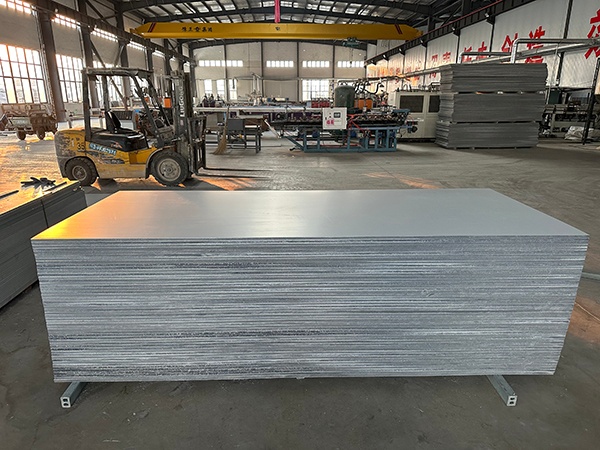
Concrete finishing quality is another critical factor when comparing plastic formwork vs plywood formwork. Plywood has a rough wood texture and uneven surface. After concrete demolding, the wall and slab surfaces will retain wood grain marks, holes and tiny burrs, which require mandatory secondary plastering, sanding and surface repair. These extra procedures consume massive labor resources and prolong construction cycles. High-quality plastic formwork has a smooth, dense and non-stick surface. It delivers a flawless, flat and uniform concrete finish after one-time pouring and demolding, eliminating secondary renovation work and greatly improving overall construction efficiency.
Cost analysis shows that plastic formwork has far better comprehensive cost performance despite slightly higher initial unit price. Plywood formwork requires continuous bulk purchasing due to low reuse times, resulting in cumulative material costs that far exceed expectations. In addition, frequent replacement, waste cleaning and secondary repair work bring additional invisible expenses. Plastic formwork requires only one-time bulk procurement and supports multi-project cyclic use. It saves labor cost, maintenance cost, material renewal cost and waste disposal cost, bringing significant cost advantages for medium and large-scale construction projects.
On-site operation flexibility and safety also differentiate the two formwork systems. Traditional plywood is heavy, fragile and easy to break during cutting and assembly. Broken wood chips and sharp edges also bring potential safety hazards to workers. Hollow plastic formwork adopts lightweight hollow structure design, which is lighter and easier to carry, cut and splice manually. It features high structural toughness and is not easy to break or crack. The neat and smooth panel surface reduces on-site safety risks and simplifies formwork arrangement and management.
From the perspective of environmental protection and sustainable construction, plastic formwork is more in line with global low-carbon development policies. Plywood formwork relies on a large amount of timber resources, causing massive deforestation and ecological consumption. A huge amount of waste plywood is generated every year on construction sites, most of which cannot be recycled and end up as construction garbage. Reusable hollow plastic formwork is 100% recyclable and pollution-free. It effectively reduces forest resource consumption and construction waste, helping construction projects meet green building assessment and environmental protection standards.
In summary, plywood formwork is still suitable for small-scale, temporary and low-budget simple projects due to its low one-time cost. However, for standardized large-scale residential construction, commercial buildings, municipal infrastructure and long-cycle engineering projects, plastic formwork is undoubtedly a more advanced and reliable solution. By comparing plastic formwork vs plywood formwork, it is clear that reusable plastic shuttering brings better quality, higher efficiency, lower comprehensive cost and greener construction value, making it the mainstream formwork choice for modern concrete construction.
-
-

Product Consultation
If you are interested in our products, please leave your email and we will contact you as soon as possible. Thank you!



Contact us

Room 2606, IEC International Enterprise Center, Liucang Sub-district Office, Lanshan District, Linyi City, Shandong Province


(c)2008-2099 All Rights Reserved