

- Products Detail
-
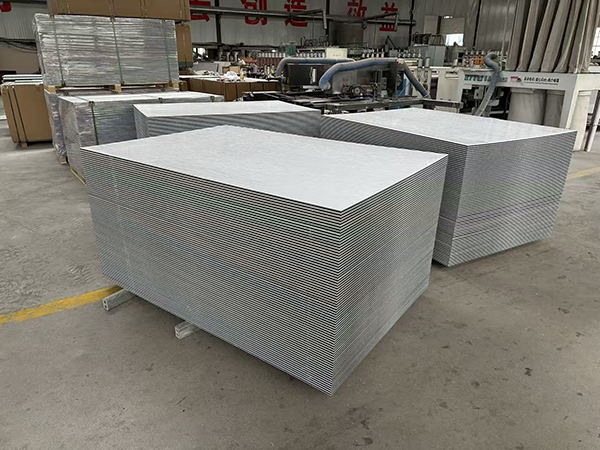
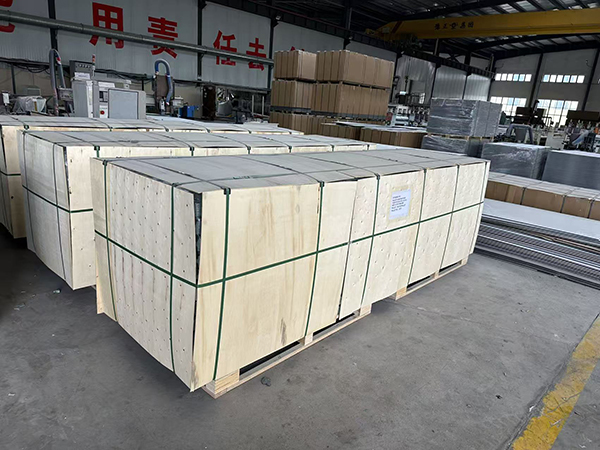
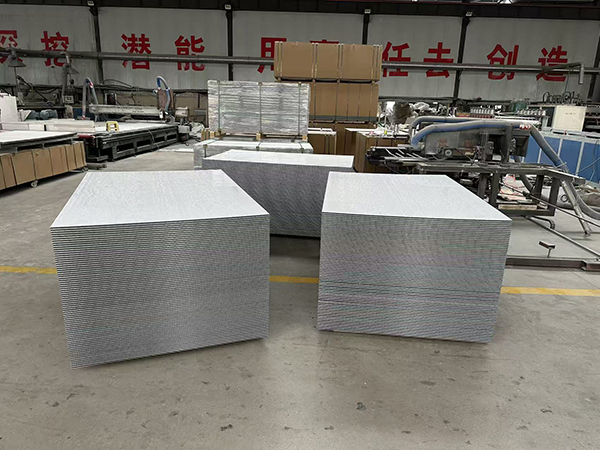
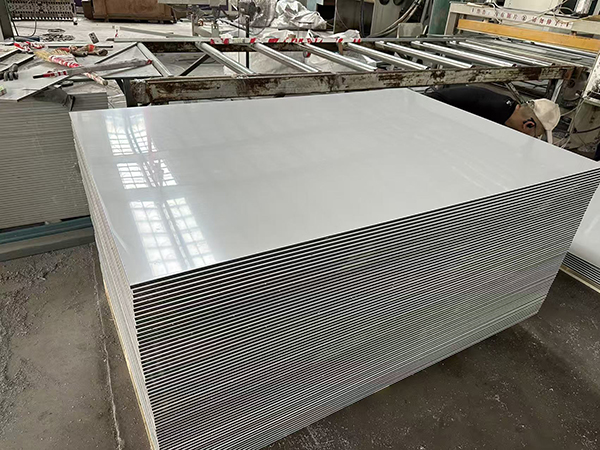
When planning concrete construction projects, choosing the right shuttering system directly affects construction speed, budget control, surface finish quality, and long-term project profitability. For decades, steel formwork has been the mainstream choice for large-scale engineering due to its high rigidity and stability. However, with the rapid development of green and cost-efficient building technologies,plastic formwork, especially hollow reusable PP plastic formwork, has become a powerful alternative. Comparing plastic formwork vs steel formwork helps contractors, project managers and material buyers make smarter decisions for residential buildings, commercial complexes, municipal infrastructure and industrial construction projects.
First of all, there is a huge difference in weight and on-site construction efficiency between plastic formwork and steel formwork. Steel formwork is extremely heavy, requiring professional lifting equipment, large construction teams and complicated assembly procedures. The heavy weight slows down installation and demolding progress, increases labor intensity, and raises safety risks on busy construction sites. In contrast, modern hollow plastic formwork is lightweight and portable. Workers can easily carry, cut and splice the panels manually without cranes or heavy machinery. This advantage greatly accelerates the overall construction schedule, making plastic formwork more suitable for fast-track project construction and high-frequency turnover sites.
In terms of durability and environmental adaptability, both formwork systems have their own characteristics, but plastic formwork shows stronger anti-aging performance in complex environments. Steel formwork features high hardness and strong bearing capacity, which is ideal for super high-rise buildings and large-load concrete pouring. Nevertheless, steel materials are prone to rust and corrosion when exposed to rain, humidity, seawater and saline-alkali soil. Frequent rust removal, painting and maintenance are required to extend service life, bringing extra labor and time costs. On the contrary, PP hollow plastic formwork is waterproof, corrosion-resistant, alkali-proof and rust-free. It will not deform, mildew or degrade under harsh weather conditions, requiring almost no daily maintenance throughout the service cycle.
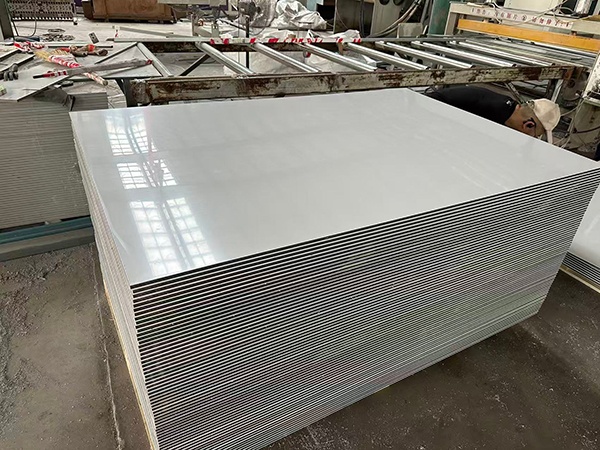
Cost performance is the core factor in the competition between plastic formwork and steel formwork. Steel formwork has a high one-time procurement cost. Although it can be reused many times, its later maintenance, repair, transportation and storage expenses are extremely high. The heavy weight leads to high logistics costs and occupies large storage space on construction sites. Plastic formwork features low unit price, zero maintenance cost and low transportation cost. With a reusable cycle of 30 to 50 times, hollow plastic formwork effectively reduces comprehensive project costs. For medium and small-sized projects, residential construction and short-cycle engineering, plastic formwork delivers far better economic returns than steel formwork.
Concrete surface finishing quality is another key difference when comparing plastic formwork vs steel formwork. Standard steel formwork ensures stable structural dimensions, but its metal surface may leave seam marks, scratches and uneven lines on concrete after demolding, requiring secondary plastering and surface polishing. High-quality hollow plastic formwork has an ultra-smooth, non-stick surface. After demolding, the concrete wall, slab and column surfaces are flat, delicate and seamless, eliminating secondary repair procedures. This greatly saves labor costs and shortens the construction period, achieving one-time molding effect for high-standard concrete projects.
Flexibility and on-site adaptability also widen the gap between the two formwork types. Steel formwork is produced with fixed sizes and rigid structures, which is difficult to adjust and cut on-site. It is not suitable for special-shaped structures, curved surfaces and irregular building designs, resulting in low material utilization rate. Plastic formwork boasts excellent construction flexibility. It can be freely cut, drilled and spliced to adapt to various complex structural shapes, including walls, columns, beams, slabs, foundations and special architectural modeling. It can perfectly meet personalized construction requirements and greatly improve material utilization rate.
From the perspective of green construction and sustainable development, plastic formwork is more in line with modern low-carbon trends. Steel formwork consumes large amounts of industrial steel resources and produces high carbon emissions during production and processing. In addition, deformed and rusted steel formwork is difficult to recycle efficiently. Reusable hollow plastic formwork is 100% recyclable and pollution-free. It reduces construction waste, saves industrial resources and helps construction projects obtain green building certifications. For contractors focusing on environmental assessment and sustainable engineering development, plastic formwork is a more ideal solution.
In conclusion, the choice between plastic formwork and steel formwork depends on project type, construction cycle and budget planning. Steel formwork is still irreplaceable for super high-rise buildings, large bridge projects and heavy-load concrete structures. However, for most conventional residential, commercial and municipal projects, hollow plastic formwork outperforms steel formwork in construction efficiency, cost saving, surface finish, flexibility and environmental protection. As modern construction continues to pursue high efficiency and low cost, reusable plastic formwork is gradually becoming the mainstream formwork solution in the global construction industry.
-
-
Product Consultation
If you are interested in our products, please leave your email and we will contact you as soon as possible. Thank you!



Contact us

Room 2606, IEC International Enterprise Center, Liucang Sub-district Office, Lanshan District, Linyi City, Shandong Province


(c)2008-2099 All Rights Reserved