

- Products Detail
-
Cost control, construction quality and environmental compliance are the three core priorities of modern concrete engineering. For decades, construction teams have relied on disposable wooden plywood and easily damaged traditional formwork, which leads to repeated material procurement, excessive construction waste and unstable pouring results. Today, reusable hollow plastic concrete formwork has emerged as a revolutionary construction material, completely changing the traditional formwork operation mode and becoming a favorite solution for global contractors, civil engineering teams and building developers.
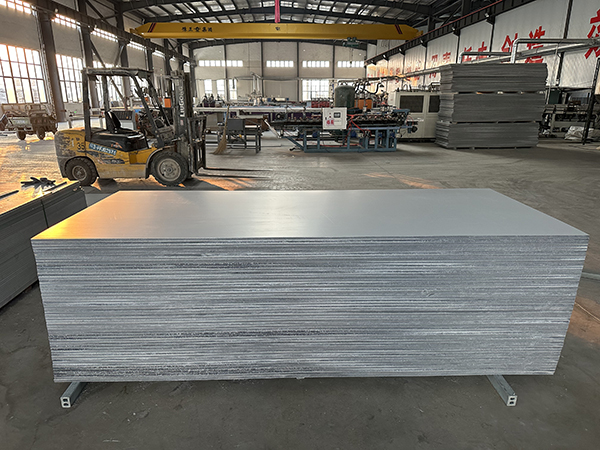
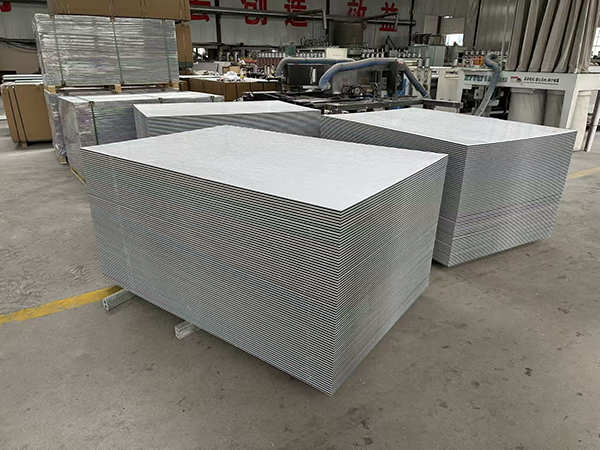
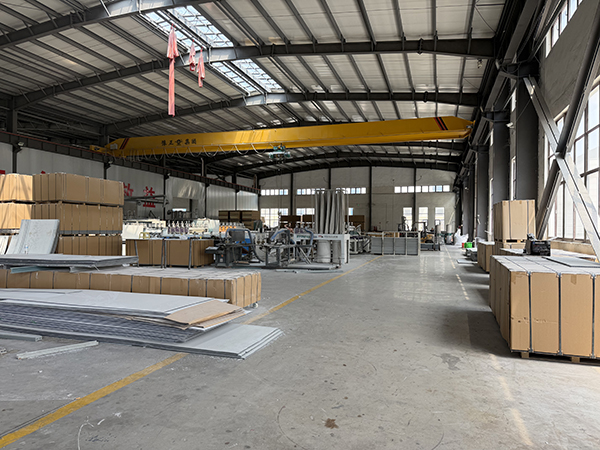
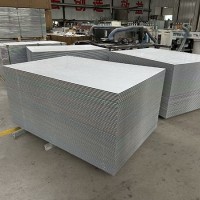
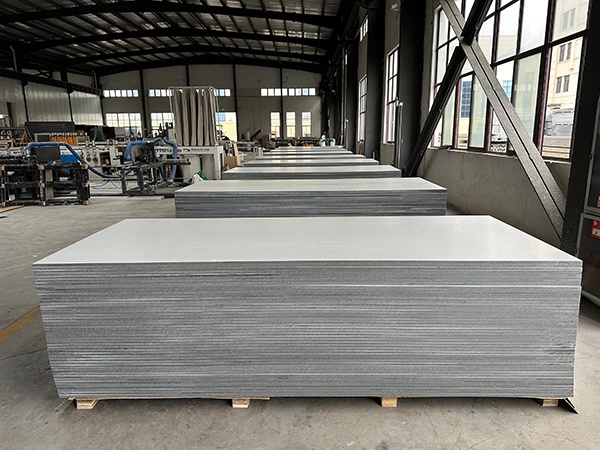
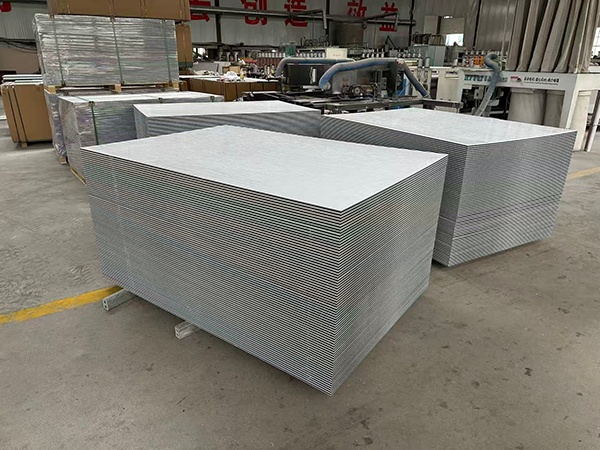
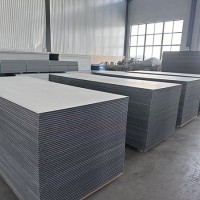
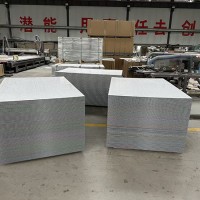
Crafted from high-toughness modified polypropylene raw materials, reusable hollow plastic concrete formwork adopts a scientific hollow grid structure design. This unique structural design abandons the shortcomings of single-layer solid plastic plates and traditional wooden templates, achieving a perfect balance of ultra-high structural strength and ultra-light weight. The panels can withstand strong concrete lateral pressure during pouring, effectively preventing bulging, displacement and leakage. At the same time, the lightweight feature makes on-site handling, cutting, assembly and disassembly extremely convenient, eliminating the need for large-scale mechanical assistance and greatly improving overall construction efficiency.
The most core and competitive feature of reusable hollow plastic concrete formwork is its excellent cyclic utilization performance. Different from wooden formwork that can only be used 3 to 5 times and steel formwork that is prone to rust and deformation after repeated use, this plastic formwork supports 30 to 50 times of repeated construction cycles. After multiple concrete pouring and demolding processes, the panels can still maintain flat surfaces, stable sizes and intact structural performance, without warping, cracking, swelling or mildew. The ultra-high reuse rate greatly reduces the unit material cost of each construction project, bringing substantial economic benefits to construction enterprises.
In actual concrete construction scenarios, reusable hollow plastic concrete formwork shows extremely strong adaptability and practicability. It is suitable for all conventional concrete molding scenarios, including building walls, floor slabs, beams, columns, building foundations, municipal bridges and other civil engineering structures. The formwork supports arbitrary on-site cutting and splicing, which can perfectly fit various special-shaped building structures and meet the personalized construction needs of different projects. Whether it is high-rise commercial buildings, residential communities, industrial factories or rural infrastructure projects, it can deliver stable and reliable molding effects.
In terms of construction quality optimization, reusable hollow plastic concrete formwork has unparalleled advantages over traditional formwork. The panel surface is smooth, flat and non-adhesive to concrete. After demolding, the concrete surface presents a uniform and delicate finish with no pores, cracks or rough burrs. It completely saves the secondary plastering, polishing and repair processes required for traditional formwork construction, saving a lot of labor costs and construction cycle time. For high-standard projects with strict requirements on concrete appearance quality, this reusable plastic formwork is the most ideal matching material.
Durability and weather resistance are also important advantages of reusable hollow plastic concrete formwork. The modified plastic material has excellent waterproof, anti-corrosion, alkali-resistant and anti-aging properties. It can adapt to various harsh construction environments such as high temperature, heavy rain, humid air and coastal saline-alkali areas. It will not absorb water and expand like wood formwork, nor will it rust and corrode like steel formwork. It can work stably throughout the year, effectively avoiding construction quality problems caused by environmental factors and reducing project rework rates.
In line with the global green building and low-carbon development trend, reusable hollow plastic concrete formwork is a typical eco-friendly building material. It realizes zero deforestation and effectively reduces the massive wood consumption caused by traditional wooden formwork. All waste and leftover plastic panels can be 100% recycled, reprocessed and remanufactured, greatly reducing construction solid waste and carbon emissions. It fully meets the green construction assessment standards of various countries and helps construction projects obtain environmental certification qualifications.
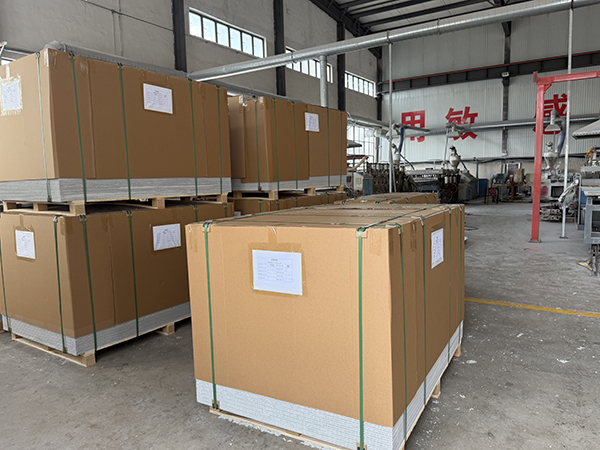
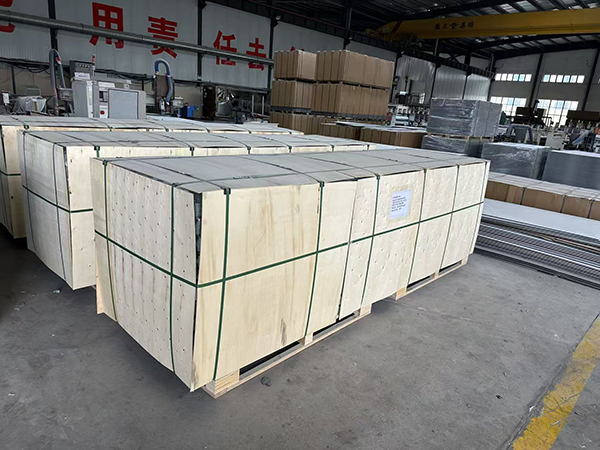
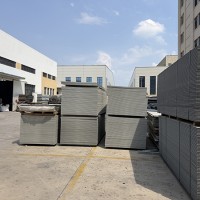
In terms of transportation, storage and maintenance, reusable hollow plastic concrete formwork also has obvious cost advantages. Compared with heavy steel formwork and fragile plywood, plastic formwork panels are lightweight, stackable and space-saving, which can greatly reduce logistics and storage costs. In addition, the panels require no special maintenance such as rust removal, painting and moisture-proof storage after use. Simple cleaning and stacking can complete storage and reserve for the next use, greatly reducing the later management and maintenance pressure of the construction team.
To summarize, reusable hollow plastic concrete formwork solves the pain points of high cost, low efficiency, poor quality and non-environmental protection of traditional formwork. With high reusability, superior molding effect, strong environmental adaptability and green and low-carbon characteristics, it has become an indispensable key material for modern efficient concrete construction. With the continuous upgrading of the global construction industry, this durable and cost-effective reusable formwork will gradually replace traditional formwork and become the mainstream standard configuration for engineering construction.
-
Cost control, construction quality and environmental compliance are the three core priorities of modern concrete engineering. For decades, construction teams have relied on disposable wooden plywood and easily damaged traditional formwork, which leads to repeated material procurement, excessive construction waste and unstable pouring results. Today, reusable hollow plastic concrete formwork has emerged as a revolutionary construction material, completely changing the traditional formwork operation mode and becoming a favorite solution for global contractors, civil engineering teams and building developers.
Crafted from high-toughness modified polypropylene raw materials, reusable hollow plastic concrete formwork adopts a scientific hollow grid structure design. This unique structural design abandons the shortcomings of single-layer solid plastic plates and traditional wooden templates, achieving a perfect balance of ultra-high structural strength and ultra-light weight. The panels can withstand strong concrete lateral pressure during pouring, effectively preventing bulging, displacement and leakage. At the same time, the lightweight feature makes on-site handling, cutting, assembly and disassembly extremely convenient, eliminating the need for large-scale mechanical assistance and greatly improving overall construction efficiency.
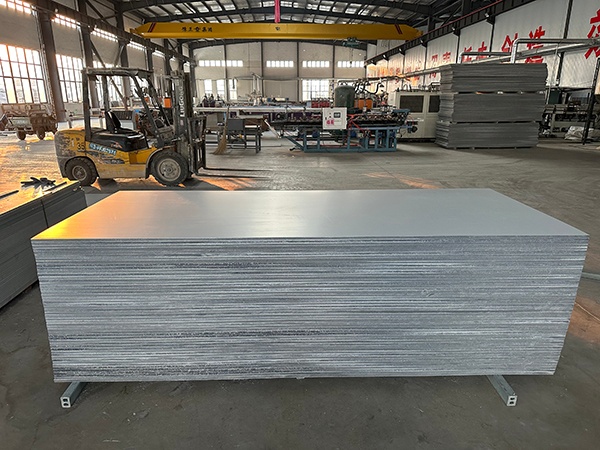
The most core and competitive feature of reusable hollow plastic concrete formwork is its excellent cyclic utilization performance. Different from wooden formwork that can only be used 3 to 5 times and steel formwork that is prone to rust and deformation after repeated use, this plastic formwork supports 30 to 50 times of repeated construction cycles. After multiple concrete pouring and demolding processes, the panels can still maintain flat surfaces, stable sizes and intact structural performance, without warping, cracking, swelling or mildew. The ultra-high reuse rate greatly reduces the unit material cost of each construction project, bringing substantial economic benefits to construction enterprises.
In actual concrete construction scenarios, reusable hollow plastic concrete formwork shows extremely strong adaptability and practicability. It is suitable for all conventional concrete molding scenarios, including building walls, floor slabs, beams, columns, building foundations, municipal bridges and other civil engineering structures. The formwork supports arbitrary on-site cutting and splicing, which can perfectly fit various special-shaped building structures and meet the personalized construction needs of different projects. Whether it is high-rise commercial buildings, residential communities, industrial factories or rural infrastructure projects, it can deliver stable and reliable molding effects.
In terms of construction quality optimization, reusable hollow plastic concrete formwork has unparalleled advantages over traditional formwork. The panel surface is smooth, flat and non-adhesive to concrete. After demolding, the concrete surface presents a uniform and delicate finish with no pores, cracks or rough burrs. It completely saves the secondary plastering, polishing and repair processes required for traditional formwork construction, saving a lot of labor costs and construction cycle time. For high-standard projects with strict requirements on concrete appearance quality, this reusable plastic formwork is the most ideal matching material.
Durability and weather resistance are also important advantages of reusable hollow plastic concrete formwork. The modified plastic material has excellent waterproof, anti-corrosion, alkali-resistant and anti-aging properties. It can adapt to various harsh construction environments such as high temperature, heavy rain, humid air and coastal saline-alkali areas. It will not absorb water and expand like wood formwork, nor will it rust and corrode like steel formwork. It can work stably throughout the year, effectively avoiding construction quality problems caused by environmental factors and reducing project rework rates.
In line with the global green building and low-carbon development trend, reusable hollow plastic concrete formwork is a typical eco-friendly building material. It realizes zero deforestation and effectively reduces the massive wood consumption caused by traditional wooden formwork. All waste and leftover plastic panels can be 100% recycled, reprocessed and remanufactured, greatly reducing construction solid waste and carbon emissions. It fully meets the green construction assessment standards of various countries and helps construction projects obtain environmental certification qualifications.
In terms of transportation, storage and maintenance, reusable hollow plastic concrete formwork also has obvious cost advantages. Compared with heavy steel formwork and fragile plywood, plastic formwork panels are lightweight, stackable and space-saving, which can greatly reduce logistics and storage costs. In addition, the panels require no special maintenance such as rust removal, painting and moisture-proof storage after use. Simple cleaning and stacking can complete storage and reserve for the next use, greatly reducing the later management and maintenance pressure of the construction team.
To summarize, reusable hollow plastic concrete formwork solves the pain points of high cost, low efficiency, poor quality and non-environmental protection of traditional formwork. With high reusability, superior molding effect, strong environmental adaptability and green and low-carbon characteristics, it has become an indispensable key material for modern efficient concrete construction. With the continuous upgrading of the global construction industry, this durable and cost-effective reusable formwork will gradually replace traditional formwork and become the mainstream standard configuration for engineering construction.
-
Cost control, construction quality and environmental compliance are the three core priorities of modern concrete engineering. For decades, construction teams have relied on disposable wooden plywood and easily damaged traditional formwork, which leads to repeated material procurement, excessive construction waste and unstable pouring results. Today, reusable hollow plastic concrete formwork has emerged as a revolutionary construction material, completely changing the traditional formwork operation mode and becoming a favorite solution for global contractors, civil engineering teams and building developers.
Crafted from high-toughness modified polypropylene raw materials, reusable hollow plastic concrete formwork adopts a scientific hollow grid structure design. This unique structural design abandons the shortcomings of single-layer solid plastic plates and traditional wooden templates, achieving a perfect balance of ultra-high structural strength and ultra-light weight. The panels can withstand strong concrete lateral pressure during pouring, effectively preventing bulging, displacement and leakage. At the same time, the lightweight feature makes on-site handling, cutting, assembly and disassembly extremely convenient, eliminating the need for large-scale mechanical assistance and greatly improving overall construction efficiency.
The most core and competitive feature of reusable hollow plastic concrete formwork is its excellent cyclic utilization performance. Different from wooden formwork that can only be used 3 to 5 times and steel formwork that is prone to rust and deformation after repeated use, this plastic formwork supports 30 to 50 times of repeated construction cycles. After multiple concrete pouring and demolding processes, the panels can still maintain flat surfaces, stable sizes and intact structural performance, without warping, cracking, swelling or mildew. The ultra-high reuse rate greatly reduces the unit material cost of each construction project, bringing substantial economic benefits to construction enterprises.
In actual concrete construction scenarios, reusable hollow plastic concrete formwork shows extremely strong adaptability and practicability. It is suitable for all conventional concrete molding scenarios, including building walls, floor slabs, beams, columns, building foundations, municipal bridges and other civil engineering structures. The formwork supports arbitrary on-site cutting and splicing, which can perfectly fit various special-shaped building structures and meet the personalized construction needs of different projects. Whether it is high-rise commercial buildings, residential communities, industrial factories or rural infrastructure projects, it can deliver stable and reliable molding effects.
In terms of construction quality optimization, reusable hollow plastic concrete formwork has unparalleled advantages over traditional formwork. The panel surface is smooth, flat and non-adhesive to concrete. After demolding, the concrete surface presents a uniform and delicate finish with no pores, cracks or rough burrs. It completely saves the secondary plastering, polishing and repair processes required for traditional formwork construction, saving a lot of labor costs and construction cycle time. For high-standard projects with strict requirements on concrete appearance quality, this reusable plastic formwork is the most ideal matching material.
Durability and weather resistance are also important advantages of reusable hollow plastic concrete formwork. The modified plastic material has excellent waterproof, anti-corrosion, alkali-resistant and anti-aging properties. It can adapt to various harsh construction environments such as high temperature, heavy rain, humid air and coastal saline-alkali areas. It will not absorb water and expand like wood formwork, nor will it rust and corrode like steel formwork. It can work stably throughout the year, effectively avoiding construction quality problems caused by environmental factors and reducing project rework rates.
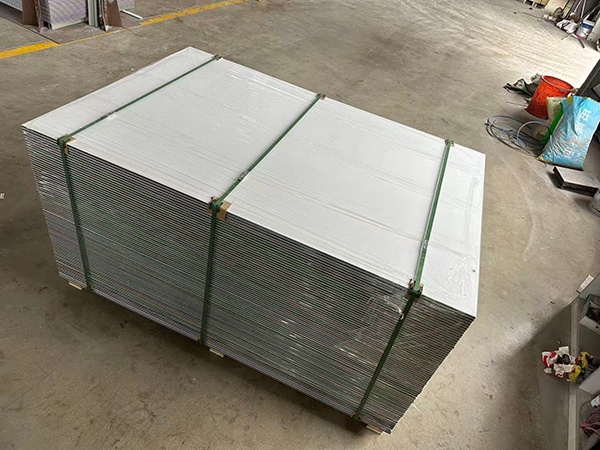
In line with the global green building and low-carbon development trend, reusable hollow plastic concrete formwork is a typical eco-friendly building material. It realizes zero deforestation and effectively reduces the massive wood consumption caused by traditional wooden formwork. All waste and leftover plastic panels can be 100% recycled, reprocessed and remanufactured, greatly reducing construction solid waste and carbon emissions. It fully meets the green construction assessment standards of various countries and helps construction projects obtain environmental certification qualifications.
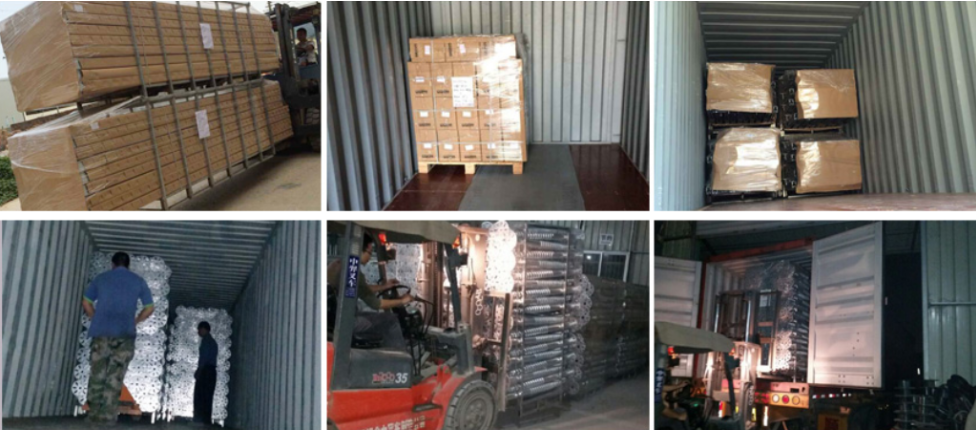
In terms of transportation, storage and maintenance, reusable hollow plastic concrete formwork also has obvious cost advantages. Compared with heavy steel formwork and fragile plywood, plastic formwork panels are lightweight, stackable and space-saving, which can greatly reduce logistics and storage costs. In addition, the panels require no special maintenance such as rust removal, painting and moisture-proof storage after use. Simple cleaning and stacking can complete storage and reserve for the next use, greatly reducing the later management and maintenance pressure of the construction team.
To summarize, reusable hollow plastic concrete formwork solves the pain points of high cost, low efficiency, poor quality and non-environmental protection of traditional formwork. With high reusability, superior molding effect, strong environmental adaptability and green and low-carbon characteristics, it has become an indispensable key material for modern efficient concrete construction. With the continuous upgrading of the global construction industry, this durable and cost-effective reusable formwork will gradually replace traditional formwork and become the mainstream standard configuration for engineering construction.
-
Product Consultation
If you are interested in our products, please leave your email and we will contact you as soon as possible. Thank you!



Contact us

Room 2606, IEC International Enterprise Center, Liucang Sub-district Office, Lanshan District, Linyi City, Shandong Province


(c)2008-2099 All Rights Reserved